
International admissions
Coming to Canadafor high school
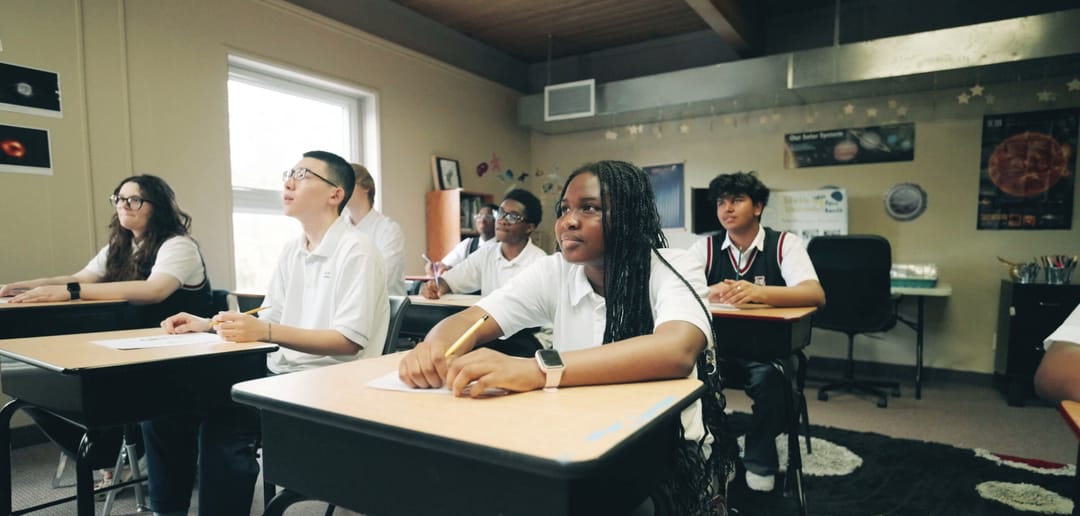
Durham Academy Secondary School is a small Ontario high school in Oshawa, east of Toronto. Students from abroad work toward the Ontario diploma beside local classmates, and someone at the school looks after everyday life outside lessons.
- Grades
- 9 – 12
- Diploma
- OSSD · 30 credits
- Student residence
- Grade 8 and above
- Location
- Oshawa, Ontario
A real Canadian school
In the same classroomsas local students
Durham Academy Secondary School grew out of two schools that have taught Oshawa children for four decades. It welcomed its first secondary students in 2017, and it serves the families of Oshawa as well as families overseas.
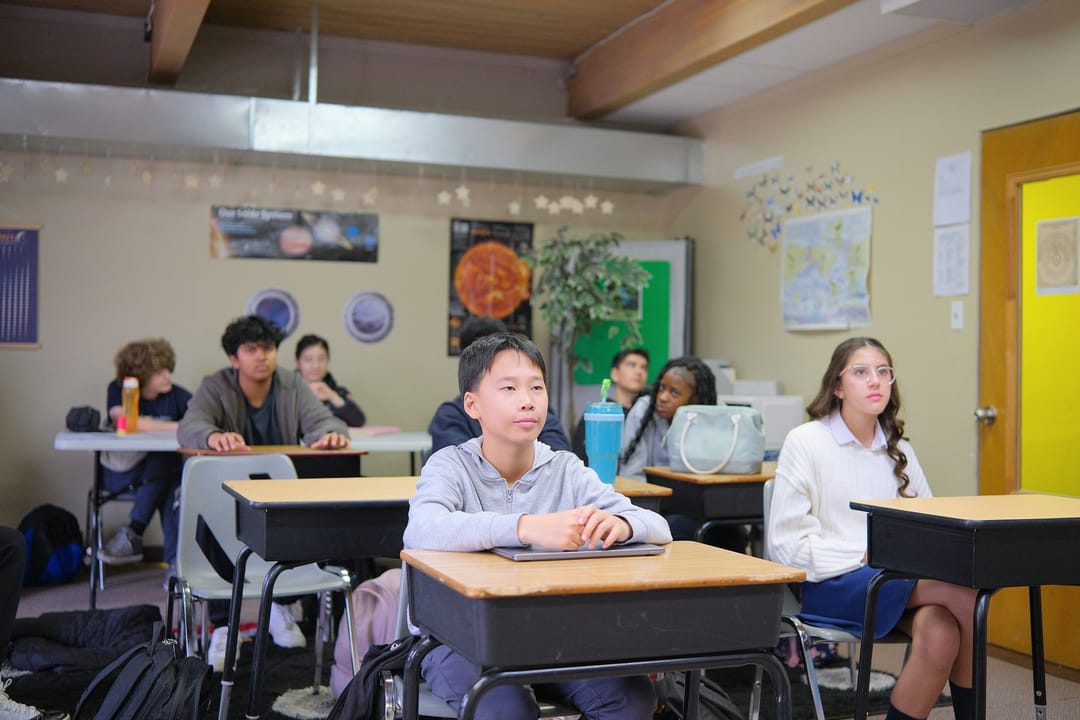
International students join that school as it is. They sit in the same classrooms as local students, follow the same Ontario curriculum and take part in the same projects and school activities. English is the working language of the whole day, and friendships start the usual way, over group work and lunch.
Mrs. Mason, Principal, has welcomed students from China, Korea, Nigeria, Vietnam, Brazil, Germany, Ukraine and Poland. A new student is introduced to classmates on arrival, and teachers find out early how much support with English they need. Classes are small, and every student is known by name.
“I must say we have the kindest, warmest, welcoming students. They love it when we have new students here from other countries.”
Care outside lessons
Linda looks after lifeoutside the classroom
“I understand that parents have many concerns.
- Is my child safe?
- Are they eating well?
- Are they happy?
- Are they adjusting to their new school and making friends?
These are very important questions.”
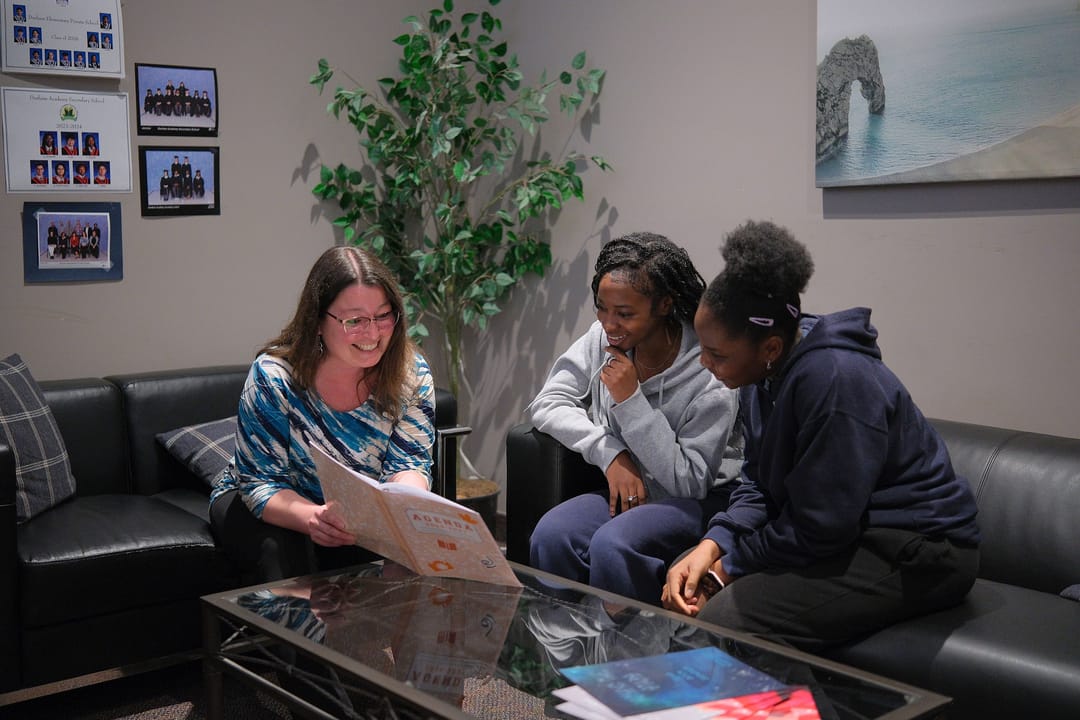
Linda works in international student services at Durham Academy. Students go to her when something outside lessons needs sorting out, and she is the one who keeps parents informed.
What she does
“My role is to help students feel comfortable and supported, both at school and in their daily life.”
- Settling in
- Helping new students settle into the residence
- At school
- Speaking with their teachers
- Health
- Arranging medical appointments
- A listener
- Being there when a student needs to talk
- Home
- Keeping parents informed
“We also believe that staying connected with parents is very important. We want families to feel informed and confident about their children’s experience in Canada.
Our goal is not just to help students succeed academically, but also help them grow as individuals. And to all the parents overseas, I would like to say: even though your children are far away from home, they are not alone. We are here to support them every step of the way.”
The diploma
What the Ontariodiploma asks for
Durham Academy students graduate with the Ontario Secondary School Diploma (OSSD), the diploma Canadian universities admit on. It takes 30 credits, 40 hours of community involvement and a provincial literacy requirement, which is separate from IELTS and other English tests.
For a student arriving from another school system, the principal assesses the study already completed and sets out which credits and requirements remain.
- 30 credits
- to graduate, earned across Grades 9 to 12.
- 17 + 13 compulsory and optional
- for students who entered Grade 9 in 2024 or later. Earlier entrants take 18 and 12.
- 40 hours
- of community involvement. For students from outside Ontario, the principal sets the hours still required.
- 2 online credits
- counted within the 30. An opt-out is available.
And after the diploma
University guidance is one-to-one. Mr. Doyle, guidance counsellor, works with each student on course choices, prerequisites, program research and applications, and keeps the family part of the conversation.







Student residence
Where your childwill live
The student residence is for international students in Grade 8 and above. It is close to the school and supervised, with daily meals, transport to and from school and set study routines.
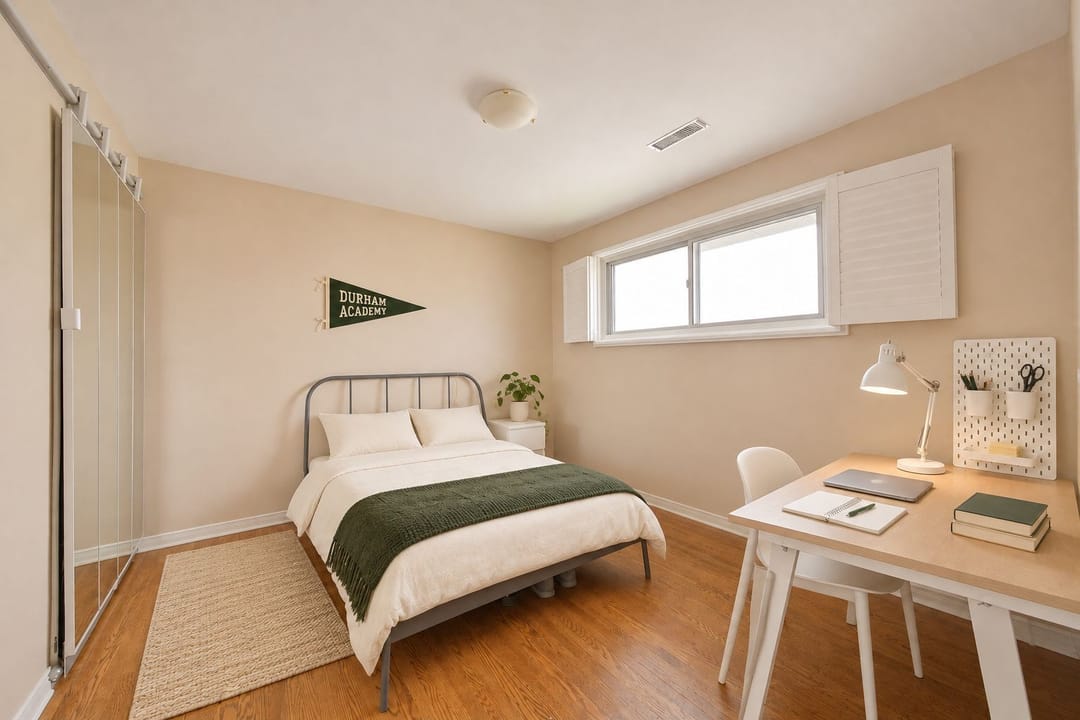
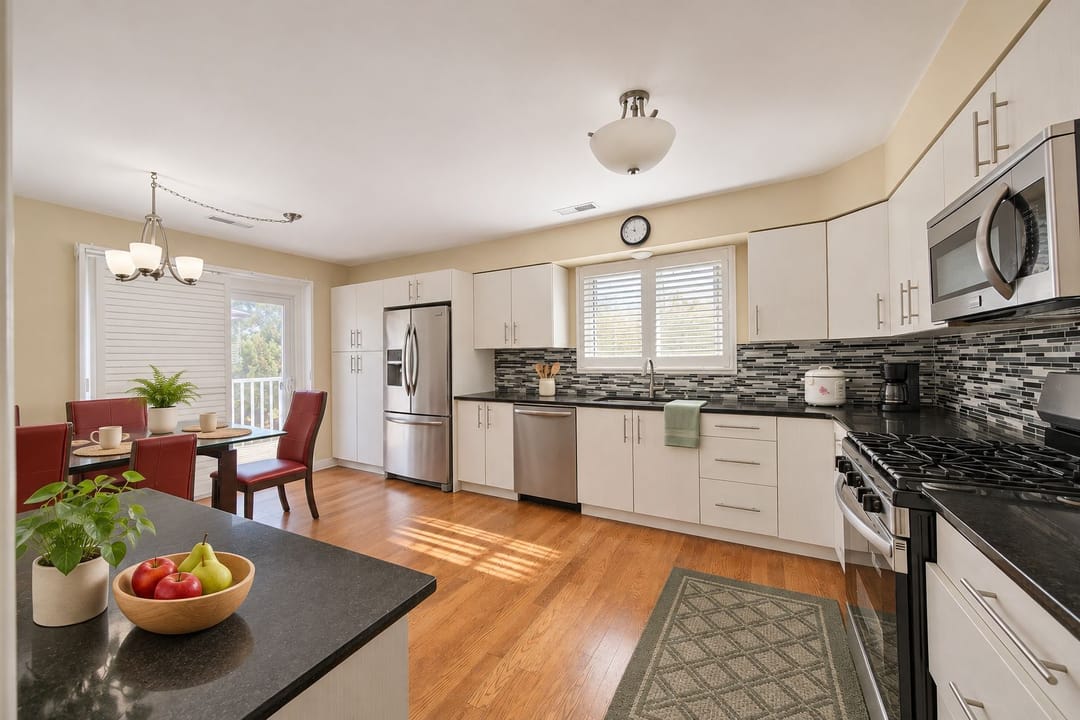
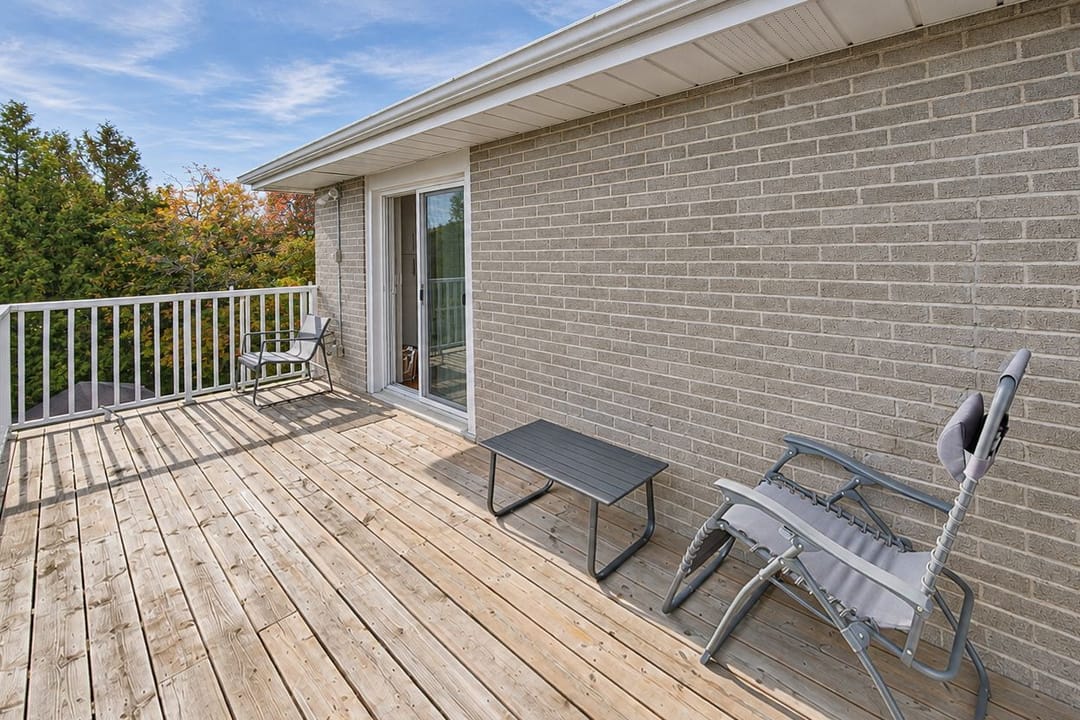
Linda helps new students settle in. Some families prefer a homestay with a local host family; tell us which you have in mind when you write. Admissions will confirm the room available, how it is furnished and the fees for the school year you are planning.
See the student residenceLocation
Oshawa, on the lakeeast of Toronto
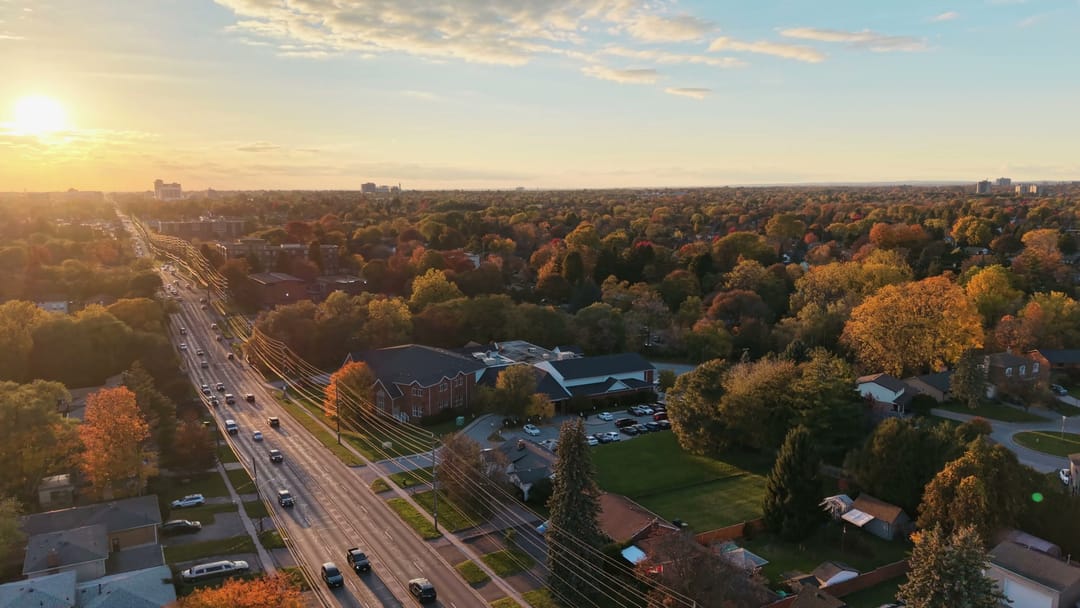
Oshawa is a city on the north shore of Lake Ontario, about 60 km east of Toronto.
Families flying in usually land at Toronto Pearson International Airport (YYZ). From there Oshawa is about 80 km by road, around an hour’s drive when traffic is light. Downtown Toronto is 45 minutes to an hour away.
Durham Academy is at 900 King St E, close to Highway 401 and the GO train line into the city.
How to apply
From a first emailto the first day
It starts with a conversation. Tell us about your child, and the admissions team will explain what is needed for the school year you have in mind.
-
Write to us
Tell us your child’s current grade, school background and interests, and when you hope to start. Families overseas can begin by email and then meet the school online.
-
Send the application
The school reviews previous courses, the credits already earned and how much support with English your child will need. Admissions will tell you which school records to send.
-
Meet the school
A family interview, in person or online. Before you decide, ask for a written quotation that sets out tuition, accommodation, insurance, uniform and any transport charges.
-
Offer and arrival
With an offer, the school sends the enrolment documents and names a contact who goes through the preparation for the first day with you.
international@durhaminternational.ca Tuition for international students and residence fees are provided on enquiry.
Questions
What parents askbefore applying
If your question is not here, write to us. A person will answer.
Which grades can international students join, and when?
Durham Academy takes international students in Grades 9 to 12. New students do not all arrive in September; some join during the school year. As Mrs. Mason, Principal, describes it, the school speaks first with the student, then with the family, and then sets out a course plan for each semester for the student and parents to approve.
Will the courses my child has already taken count?
They are assessed individually. The principal reviews the student’s previous study, decides which credits can be recognised toward the diploma and sets out what remains, including community involvement hours. How long the diploma takes depends on that assessment. How the diploma works.
How good does my child’s English need to be?
Tell us about your child’s English when you first write, and include any test results they have. When a student arrives, teachers look at their level and the support they need, and course choices are planned around that. Studying beside local classmates means English is in use all day.
What will it cost?
Fees for international students and for the residence are provided on enquiry. Ask admissions for a written quotation for the school year you have in mind; it sets out tuition, accommodation, insurance, uniform and any transport charges separately. The amounts on the tuition page are for local families.
Is a homestay possible instead of the residence?
You can ask about either. The residence is for international students in Grade 8 and above; a homestay places a student with a local host family. Tell admissions which you prefer and they will explain what can be arranged. See the student residence.
How will we know how our child is doing?
Teachers keep in touch with parents through the term, and the school issues midterm reports and report cards. Parent–teacher interviews can be held in person, by phone or online. Linda stays in contact with families about life outside lessons.
What do students eat at lunch?
Mrs. Mason describes it this way: every classroom has a microwave, and five days a week lunch is available from a caterer and from restaurants in Durham Region, with Canadian, Italian, Chinese, Korean and Japanese food among the choices. Students can also bring food from the residence or their homestay.
Does the school help with guardianship?
Guardianship support is one of the services families can ask for when they enquire, alongside school admission, the student residence, and academic and university guidance. Mention it in your first message and admissions will explain what applies to your child.
Can we talk to the school before we decide?
Yes. Families overseas can arrange an online conversation with admissions. Families who are in Ontario can visit the campus, and a prospective student can spend a day at the school by arrangement.
Come and seethe school
Tell us your child’s age or grade and what you would like to know. Families nearby can arrange a visit to either campus; families overseas can begin with an email.
- Montessori & elementary
- +1 (905) 432-1400
- Secondary school
- +1 (905) 240-2501
- International students
- international@durhaminternational.ca