Learning
One path fromMontessori tothe diploma
A child can start at Durham at eighteen months and leave with the Ontario Secondary School Diploma (OSSD). The method changes along the way. The small classes, and teachers who know each student, do not.
- Ages
- 18 months to Grade 12
- Curriculum
- Montessori, then Ontario
- Diploma
- OSSD, 30 credits
- French
- From Casa 1
The three stages
How the threeschools connect
Children can join at any stage. Those who stay move up among people they know: Madame Deen teaches French and Ms. Blanusa music in all three schools, and Mr. Doyle, who teaches Grade 8, is also the secondary school’s guidance counsellor.
-
18 months
Montessori
Great Beginnings Montessori School
Pre-Casa, then Casa 1, 2 and 3. Children choose their work from the Montessori materials within clear classroom routines. Teachers watch how each child learns, then introduce the next activity.
- Language, mathematics, science, botany, culture and art
- French from Casa 1, with music and physical education
- Working alone, and alongside other children
-
Grade 1
Elementary
Durham Elementary Private School
The Ontario curriculum, taught at an enriched level: language arts, mathematics, science, French, geography and history, with environmental and cultural studies. Grades 1 to 4 are at the Adelaide campus, Grades 5 to 8 at King.
- Specialist teachers for French, music and physical education
- Visual art, choir and drama; computer studies from Grade 3
- Grade 8 builds the habits high school expects: organization, responsibility, asking questions
-
Grade 9
Secondary
Durham Academy Secondary School
Ontario secondary courses, all at the academic level, with an emphasis on science, technology and mathematics. Students work toward the thirty credits of the OSSD over two terms a year.
- Note-taking, research and academic writing
- Oral and multimedia presentation
- One-to-one guidance from Mr. Doyle
OSSD Diploma
In the classroom
How teachers teach
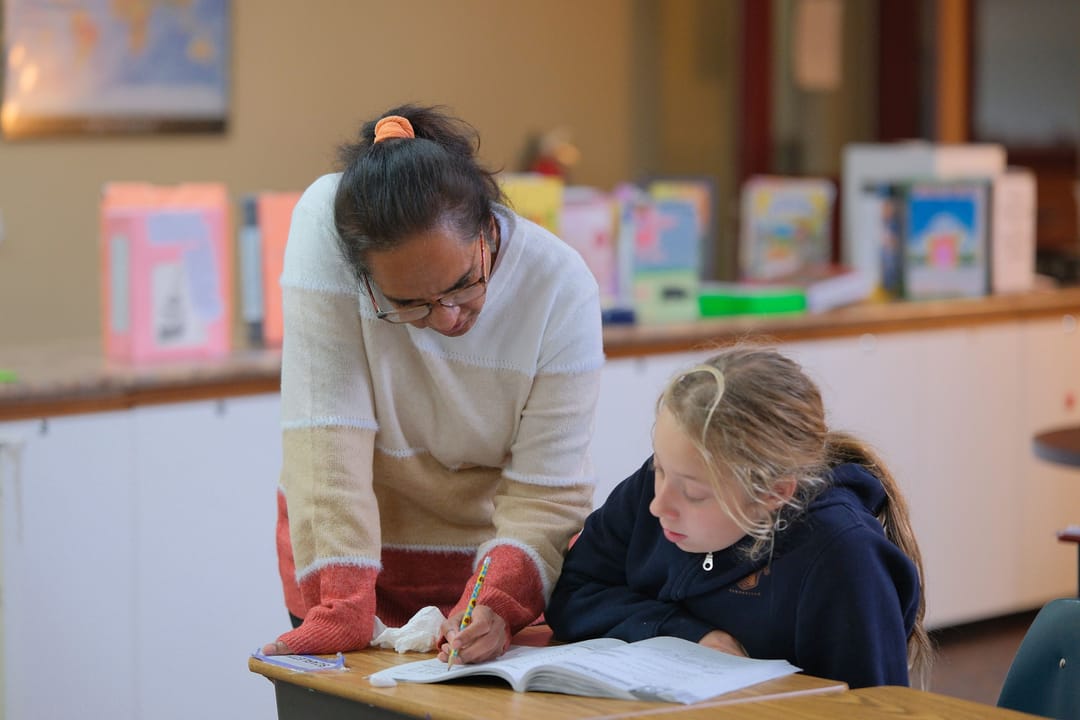
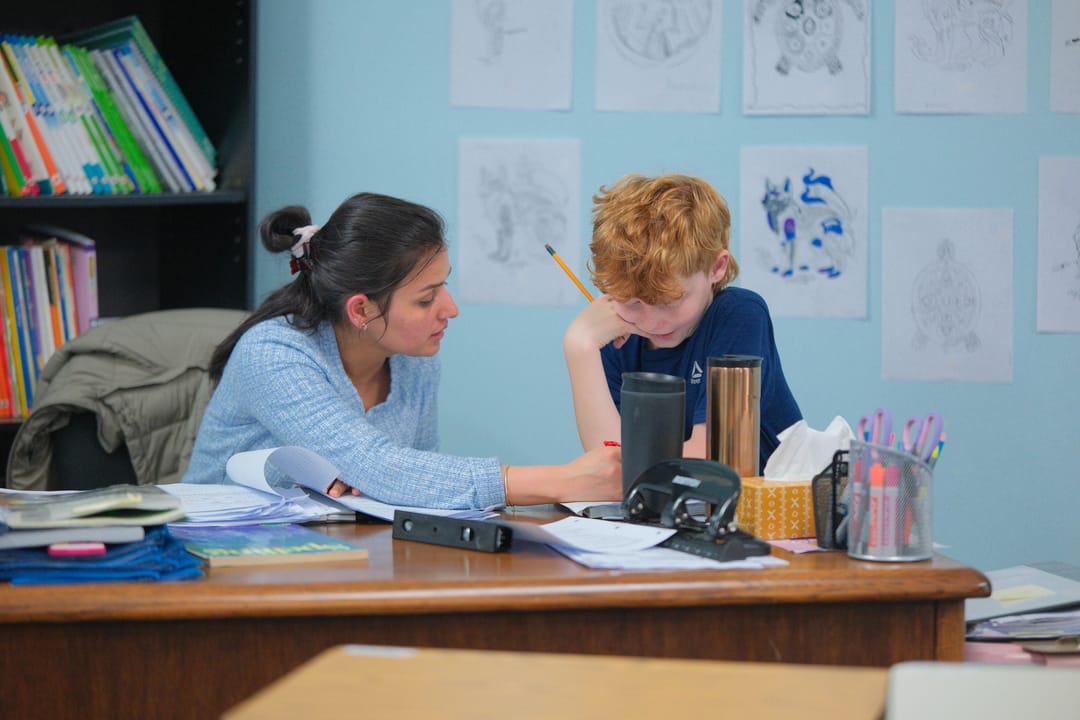
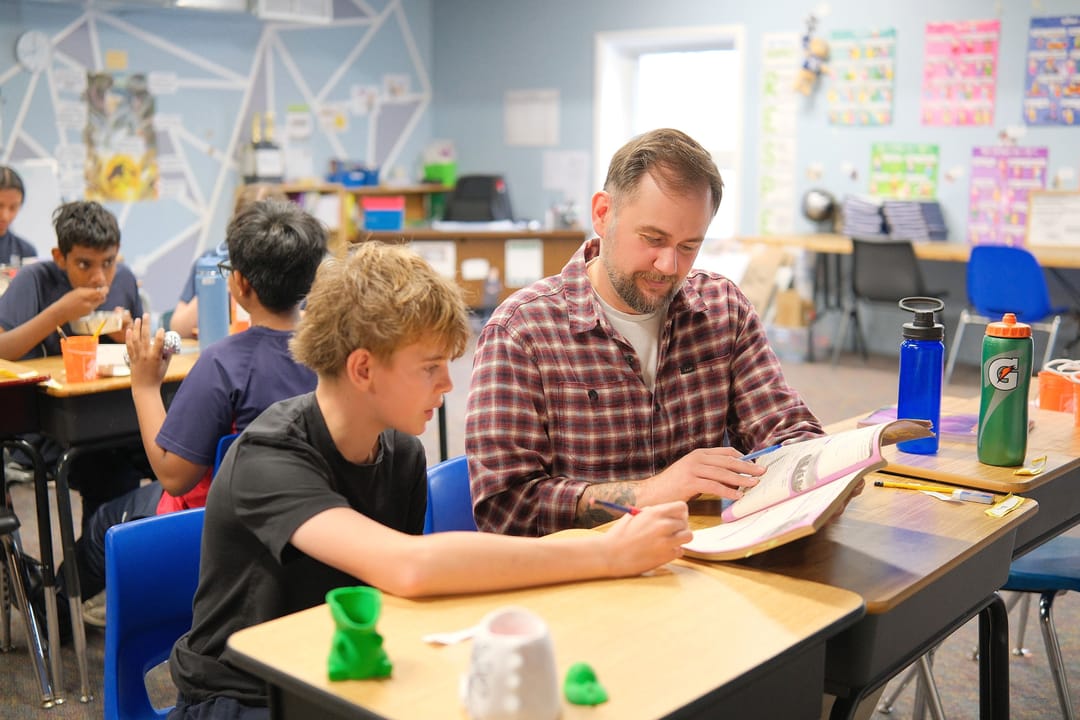
Classes are small in all three schools, so a good part of the teaching happens one student at a time, at the student’s own desk.
“Questions are welcomed and mistakes are viewed as learning opportunities.”
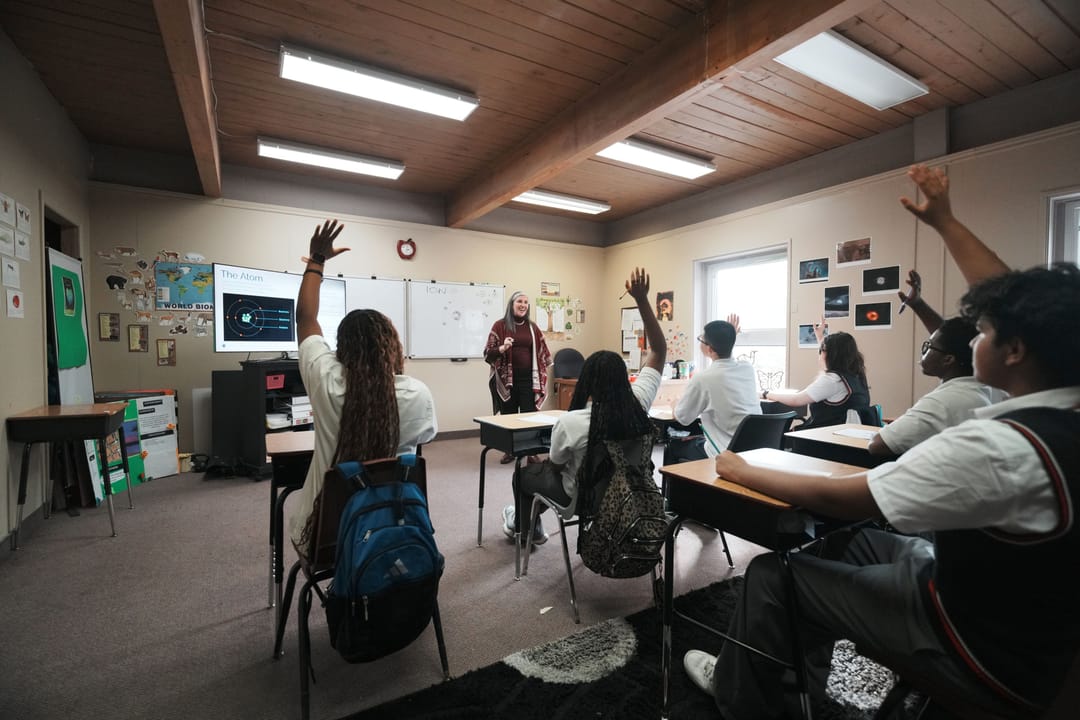
Teachers use hands-on work and real examples, and give students more than one way to show what they have understood.
Small classes make that workable. “Everyone knows everyone by name,” says Mrs. Mason, the principal. “My staff are aware of everybody’s background, their strengths, and where they might need some help.”
“Our small class sizes benefit all of our students. If a child is further ahead, we challenge them so they surpass curriculum expectations.”
It works the other way too: a student who is stuck gets more of the teacher’s time.
Across the group
Subjects taughtby specialists
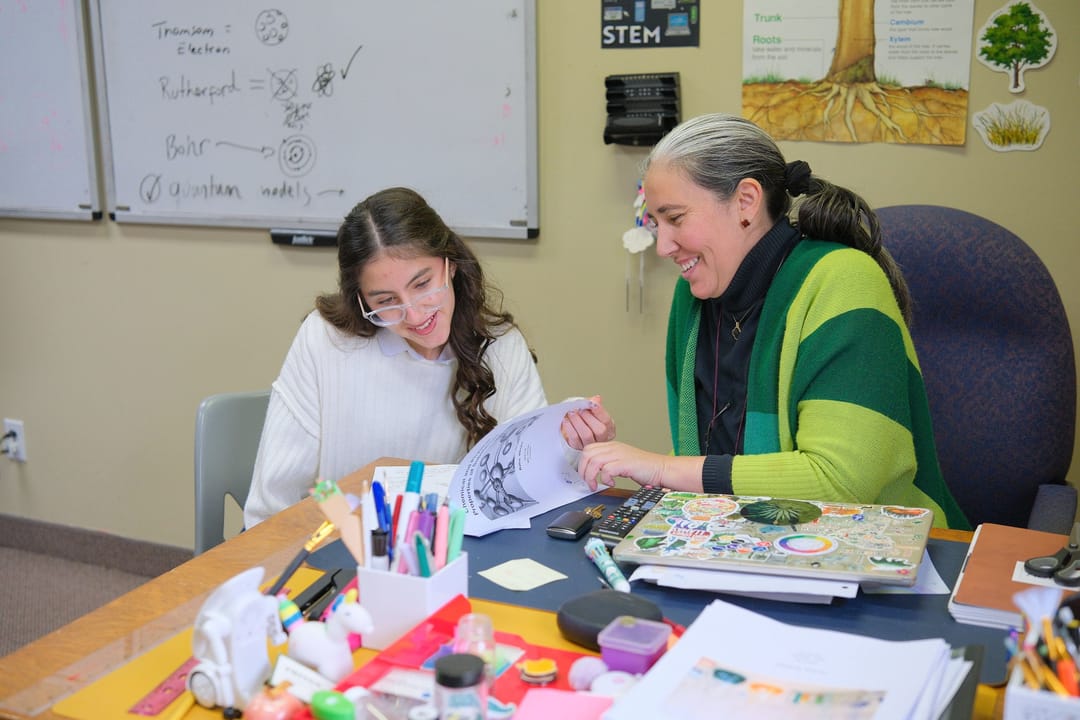
Some subjects have their own teacher from the first years. Two of them, French and music, are taught by the same person in all three schools.
-
French
Begins in Casa 1 and continues through elementary school. Songs, drama and music sit alongside the lessons.
Madame Deen · all three schools
-
Music
Instrumental music and choir, with concerts that give the practice an audience.
Ms. Blanusa, music director · all three schools
-
Technology
Computer studies begin in Grade 3. Coding, robotics and 3D printing run through workshops and Science Fair projects, and Durham Academy teaches technology and media arts as courses.
Mrs. Gomez · Durham Academy
-
Science and mathematics
Durham Academy puts its emphasis here. Students enter university-run mathematics contests, and the specialist math teacher runs a free club after school.
Mrs. Gomez, Mr. Temelkovski and Mr. Ismaili · Durham Academy
Reports and support
How families hearabout progress
- Pre-Casa
- A daily journal, and two progress reports during the school year
- Casa 1
- Three report cards and two parent interviews
- Grades 1–8
- Three written report cards and two parent–teacher interviews a year
- Grades 9–12
- Midterm marks and report cards; parent–teacher interviews in person, by phone or online
Between reports, teachers keep in touch with parents every day or every week, through a class app or shared documents.
More help, or more challenge
Teachers adjust the work to the student, giving extra attention where it is needed and harder work to those ready for it. Students arriving from other countries are introduced to their classmates and assessed for their level of English. At Durham Academy, teachers offer extra help after school.
After Grade 12
Where thediploma leads
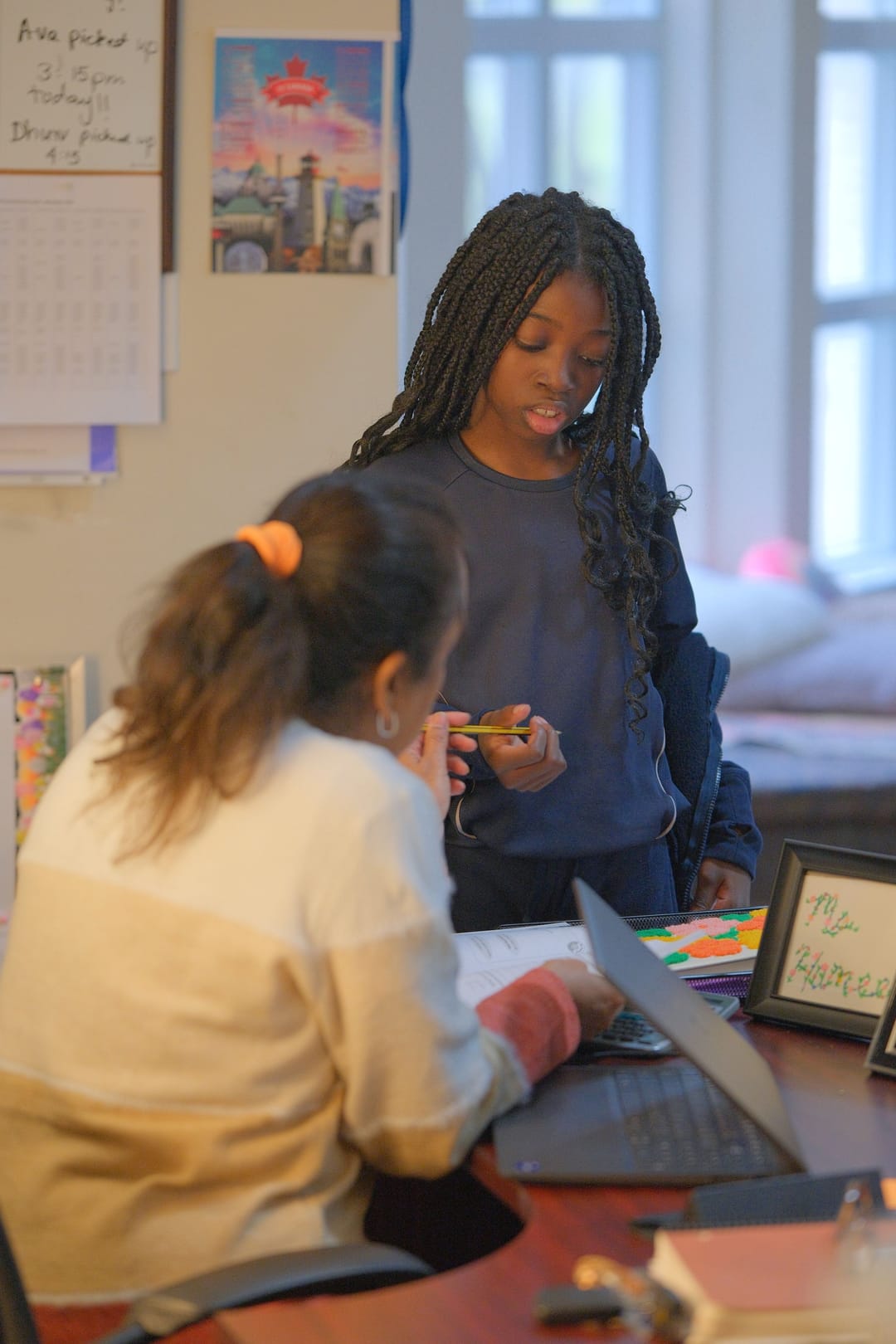
Graduates leave Durham Academy with the OSSD, the diploma Canadian universities admit on. Getting from there to the right program is Mr. Doyle’s work. He meets students one-to-one from Grade 9 to choose courses with the prerequisites in view, and in the senior years helps with program research and applications.
What guidance covers
- Course selection and prerequisites
- Researching universities and programs
- University and college applications
- Scholarship information
- Visits from university representatives
Come and seethe school
Tell us your child’s age or grade and what you would like to know. Families nearby can arrange a visit to either campus; families overseas can begin with an email.
- Montessori & elementary
- +1 (905) 432-1400
- Secondary school
- +1 (905) 240-2501
- International students
- international@durhaminternational.ca